After 15 years of implementing, training, and consulting for asset management software, there is one phrase that I have heard over and over. I have used it myself. “That is a people management issue, not an asset management issue.” The phrase appears when customers insist that the software is not functioning correctly, but the challenge is really user management.
It is both; it is a change management issue.

When we do not have buy-in from our end users, any change becomes an uphill battle. People love to say that no one likes change, but the opposite is true. People change their clothing, their hairstyle, their websites, and their electronics. People even change those items that they use every day (I’m looking at you, iPhone). There are subscriptions that people purchase for the privilege of upgrading to the latest device when it is available.
So what is the major difference between upgrading your smartphone, and upgrading your software, particularly at work?
Control. People love the change that they can control. So how do we address the people management and the asset management needs of a customer? We C.H.A.N.G.E. Apply these tips to start the change process.
Consider the needs of stakeholders.
When we talk about stakeholders, we often mean this as a synonym for those in power or with a financial risk. We should absolutely include the needs of these stakeholders in the conversation. We should also consider the opinions and needs of front-line employees who have visibility of issues in a way that can be invaluable in terms of both employee acceptance and impact on the bottom line.

Have patience.
Culture shifts and change management initiatives don’t happen overnight. I have worked with companies where my most difficult customer turned out to be one of my greatest allies. The greatest skeptic is often skeptical because of their passion for their job. Be patient. Taking the time to invest in building relationships will help everyone.
Answer questions.
Even the hard ones. It may seem better to ignore difficult questions, but people value your integrity. People are more likely to follow the lead of someone they respect. Answering difficult questions can also bring to light hidden issues that you may never have discovered if your team was not willing to share with you.
Note the contributions of the team.
Change management is a team sport, and people are always more willing to do more than is expected when they are appreciated. Recognize the contributions of your team members, and celebrate the small wins as well as the big ones.

Give feedback.
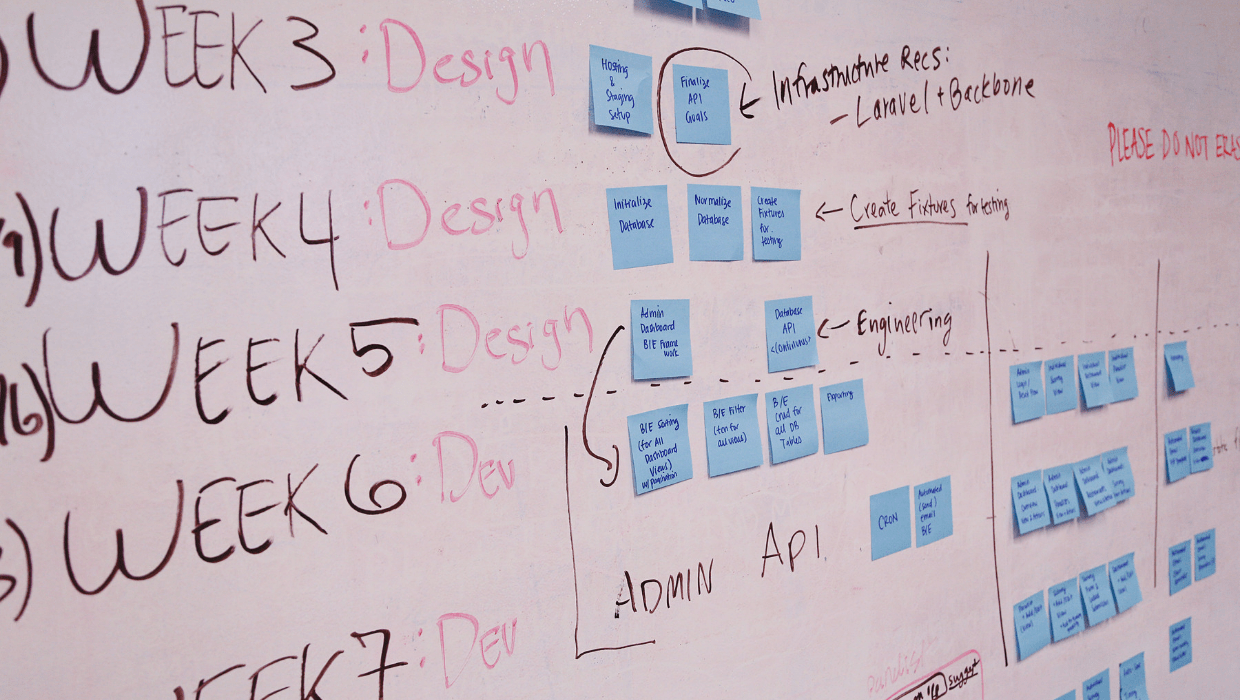
Having a clear plan in place is key to providing the structure and safety needed to lead a positive transformation. Gantt charts are great, but consistent feedback and communication help people to feel involved and in control.
Empower.
Give people the tools to do their job and give them the training to do so effectively. I remember a former boss named Gary. I asked Gary for access to software that I would need in a few projects I was working on at the time. The funny thing is that I don’t remember which add-in it was, but I will never forget his answer. “How can I expect you to do your job if I don’t give you the tools to be successful?” Sometimes those tools are powerful software programs and sometimes those tools include an investment in the education and enablement of your employees.
I can’t promise I won’t use the phrase again.
But perhaps I’ll rephrase it to “That’s a change management issue. Let’s explore how we can be successful.”
 Melissa Kruminas
Leave a comment